
In the carbon market, accurate and timely emissions data is crucial for issuing valid carbon credits and ensuring that emissions reduction projects deliver on their promises. However, traditional methods of monitoring emissions are often slow, costly, and prone to errors. By the time emissions data is collected, verified, and reported, significant delays may occur, limiting the effectiveness of carbon credit issuance and reducing market efficiency.
Blockchain technology, combined with real-time emissions monitoring systems, provides an innovative solution to this problem. By integrating blockchain with Internet of Things (IoT) devices, businesses and regulators can monitor emissions in real time and automatically record data on a secure, tamper-proof ledger. This not only enhances the accuracy of emissions data but also speeds up the process of carbon credit issuance and trading. In this article, we’ll explore how blockchain enables real-time emissions monitoring and why it’s becoming a game-changer for the carbon market.
Challenges of Traditional Emissions Monitoring
Before exploring how blockchain can help, let’s look at some of the key challenges associated with traditional emissions monitoring:
• Time-Consuming Processes: Traditional monitoring often relies on manual data collection and reporting, which can take weeks or even months to complete. By the time emissions data is verified, the information may already be outdated.
• High Costs: The use of third-party verifiers and auditors to confirm emissions reductions adds significant costs to the process. This can make it difficult for smaller projects or businesses to participate in the carbon market.
• Risk of Data Manipulation: Manually recorded data is vulnerable to tampering or inaccuracies, which can undermine trust in the carbon credits issued based on that data.
These challenges slow down the carbon market, reduce transparency, and increase the costs for all market participants.
How Blockchain Enables Real-Time Emissions Monitoring
Blockchain, when combined with IoT devices, offers a real-time solution to these challenges by providing a secure, automated, and decentralized system for tracking emissions data. Here’s how it works:
1. Integration with IoT Devices for Real-Time Data Collection
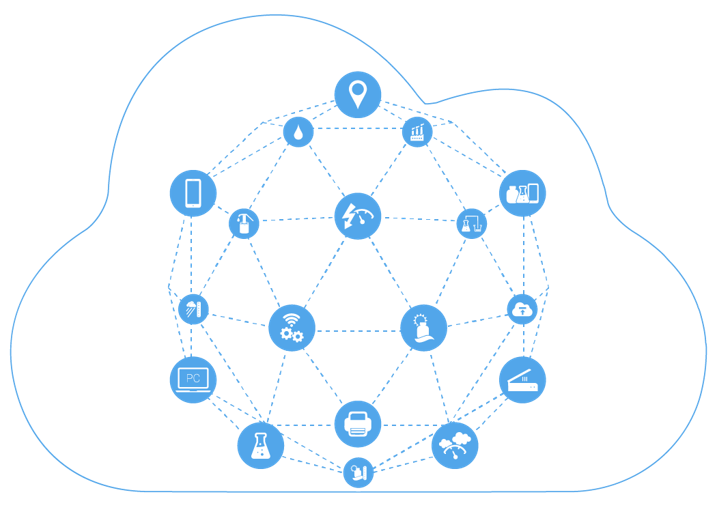
IoT devices can be deployed at various points in an emissions reduction project to monitor and measure emissions data in real time. These devices automatically collect data on emissions levels, such as CO2 output, and feed this information directly into a blockchain network. The real-time nature of IoT ensures that the data is current and continuously updated, providing an accurate and up-to-the-minute picture of a project’s emissions performance.
2. Immutable Data Recording on Blockchain
Once emissions data is collected by IoT devices, it is recorded on the blockchain, where it is encrypted and stored immutably. This means that the data cannot be altered or tampered with after it is recorded, providing a secure and verifiable record of emissions levels. Blockchain’s decentralized structure ensures that all participants in the carbon market can access this data, fostering transparency and trust.
3. Automated Carbon Credit Issuance
With real-time data being recorded on the blockchain, smart contracts can be used to automatically issue carbon credits once certain emissions reduction thresholds are met. For example, if a project achieves a specific reduction in CO2 emissions, a smart contract can trigger the automatic issuance of carbon credits based on the verified data. This eliminates the need for manual intervention and significantly speeds up the process of issuing and trading carbon credits.
4. Reducing Costs and Improving Accuracy
By automating the data collection and reporting process, blockchain and IoT integration reduces the need for costly third-party verifiers and auditors. Additionally, because the data is recorded and verified in real time, it eliminates the delays and inaccuracies associated with manual reporting. This leads to more accurate carbon credit issuance and ensures that projects are properly rewarded for their emissions reductions.
Real-World Examples of Real-Time Emissions Monitoring with Blockchain
Several pioneering projects have demonstrated the potential of real-time emissions monitoring through blockchain:
• Benin REDD+ Project: In Africa, the Benin REDD+ project uses IoT devices to monitor reforestation efforts in real time. The data is recorded on a blockchain to ensure transparency and accountability, allowing carbon credits to be issued based on real-time data.
• Poseidon Foundation: Poseidon leverages blockchain and IoT to track emissions reductions from forest conservation projects, ensuring that carbon credits are issued based on verified, real-time data.
• ClimateTrade: This platform integrates IoT with blockchain to provide real-time emissions tracking for corporate clients, enabling them to buy and retire carbon credits that are based on current and verified emissions data.
These examples illustrate how real-time monitoring and blockchain are revolutionizing the way emissions are tracked and carbon credits are issued.
How Baliola’s Mandala Application Chain Can Help
For organizations looking to implement real-time emissions monitoring and blockchain integration, Baliola’s Mandala Application Chain offers a flexible and powerful solution. As a blockchain-as-a-service (BaaS) platform, Mandala Application Chain allows businesses and governments to build customized blockchain systems that integrate seamlessly with IoT devices for real-time data collection.
With Mandala Application Chain, organizations can:
• Deploy real-time emissions monitoring systems that automatically record and store emissions data on a secure, tamper-proof blockchain.
• Automate the issuance of carbon credits using smart contracts, ensuring that credits are issued based on real-time, verified data.
• Reduce verification costs by eliminating the need for third-party auditors and relying on real-time IoT data to verify emissions reductions.
• Enhance transparency and trust by providing an immutable record of emissions data that is accessible to all stakeholders in the carbon market.
By leveraging Mandala Application Chain, businesses can streamline their carbon credit issuance process, reduce costs, and ensure that their emissions data is accurate, transparent, and secure.
Ready to Implement Real-Time Emissions Monitoring?
If your organization is interested in real-time emissions monitoring and automated carbon credit issuance, Baliola can help. Mandala Application Chain offers a customizable solution that integrates with IoT devices to provide real-time, accurate, and secure emissions data. Contact Baliola today to learn how we can support your carbon market initiatives with cutting-edge blockchain technology.