
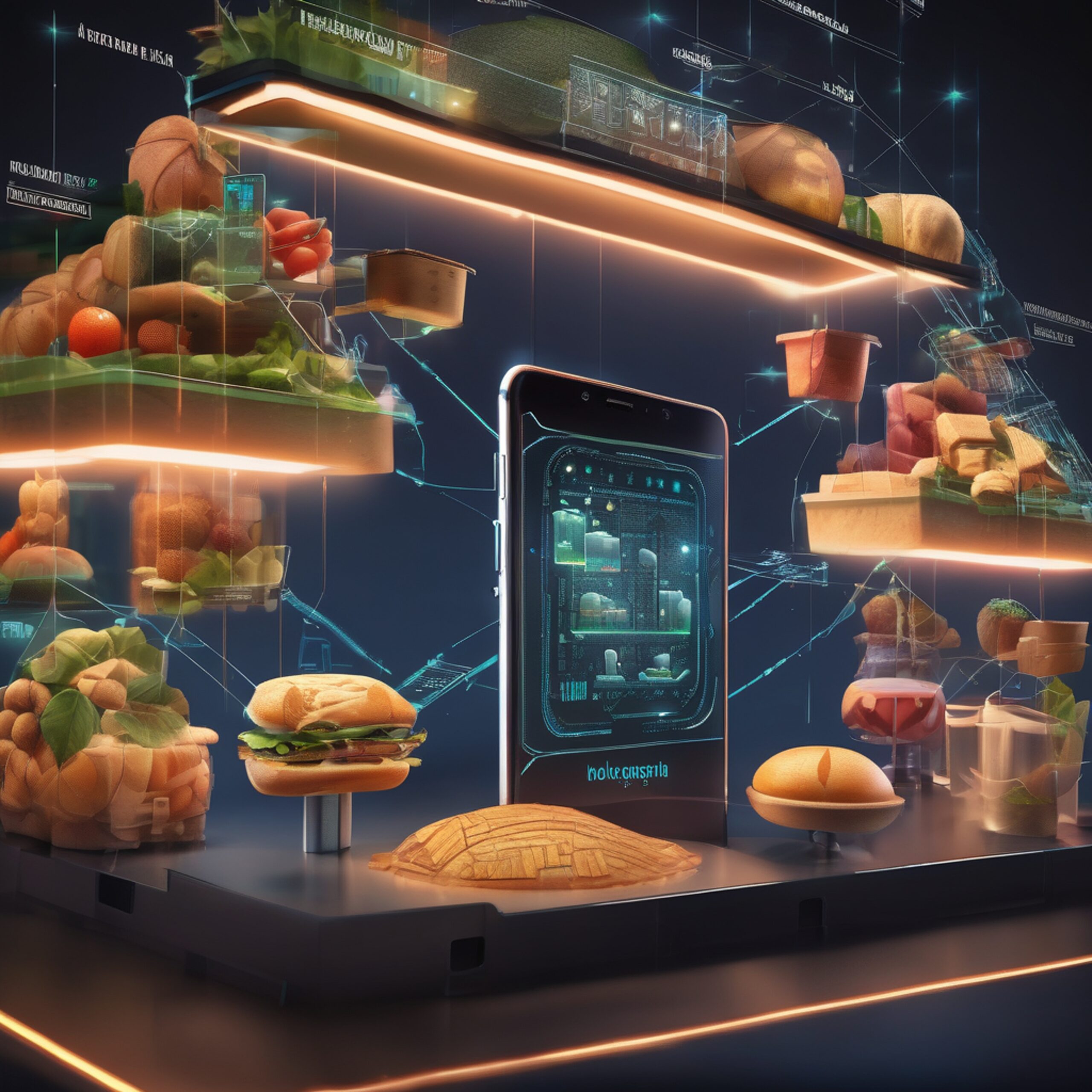
As newly-elected President Prabowo Subianto takes office, one of the key initiatives of his administration is improving food security in Indonesia through a free school lunch program. This ambitious program aims to provide nutritious meals to schoolchildren across the country while simultaneously boosting local agricultural production and moving Indonesia toward food sovereignty.
The program is expected to stimulate domestic food industries by leveraging local produce, supporting farmers, and promoting sustainability. However, to ensure transparency, efficiency, and scalability, especially in a large and diverse country like Indonesia, there are several logistical and governance challenges that must be addressed. This is where blockchain technology can play a critical role.
Blockchain can provide a solution by offering transparency across the supply chain, ensuring the quality and origin of food, and improving the efficiency of subsidy and aid distribution to support local farmers. In this article, we explore how blockchain can support this vital national program and contribute to Indonesia’s food sovereignty goals.
Key Challenges and How Blockchain Can Help
1. Ensuring Local Sourcing and Supporting Domestic Agriculture
A major goal of the school lunch program is to source food from local farmers, stimulating local agricultural production and keeping money within the community. However, verifying whether food is truly locally sourced and meets quality standards can be a challenge, particularly in remote regions where supply chains are opaque.
Blockchain Solution:
Blockchain allows for real-time tracking and verification of food products from farm to table. By using blockchain, each step in the supply chain—from planting and harvesting to distribution and consumption—can be recorded and verified. This ensures that food used in the school lunch program is locally sourced, organic, and produced using sustainable methods. Blockchain also prevents fraud and misrepresentation, ensuring that local farmers receive fair compensation and that schools get quality food.
2. Maintaining Food Quality and Nutritional Value
Another key challenge is ensuring that the meals provided to schoolchildren are of high nutritional quality. Poor quality control, particularly in large-scale government programs, can undermine health outcomes.
Blockchain Solution:
With blockchain, food quality can be tracked at every stage of the supply chain, ensuring that it meets nutritional standards before reaching students. Blockchain can also document food safety protocols, ensuring that produce is handled in accordance with health regulations. In particular, blockchain can be used to verify that organic fertilizers were used, helping to ensure that the nutritional value of the food remains intact.
3. Efficient Distribution and Reducing Supply Chain Complexity
In a geographically large and diverse country like Indonesia, distributing food to schools in remote regions can be a logistical nightmare. Lengthy and inefficient supply chains can lead to delays, food spoilage, and increased costs.
Blockchain Solution:
Blockchain can simplify and streamline the supply chain by enabling direct transactions between farmers, suppliers, and schools. By cutting out unnecessary intermediaries, blockchain reduces both costs and the time it takes for food to reach its destination. Additionally, the technology’s decentralized nature ensures that every transaction is recorded transparently, reducing the risk of corruption and mismanagement.
4. Monitoring Subsidies and Ensuring Proper Allocation
Government subsidies, such as those for fertilizers or transportation costs, are crucial for supporting local farmers. However, ensuring that subsidies reach the right people can be difficult, especially in regions prone to corruption or inefficiency.
Blockchain Solution:
Blockchain can be used to track and verify subsidies in real-time, ensuring that they are distributed fairly and transparently. This ensures that farmers receive the subsidies they are entitled to without the risk of diversion or fraud. By using blockchain-based smart contracts, subsidies can be automatically distributed to farmers once they meet predefined conditions, such as delivering a certain quantity of food to a local school.
5. Decentralized Digital Identity (DID) for Farmers
Verifying the identity of local farmers and ensuring their participation in the program is another challenge. Many farmers in rural areas may not have access to traditional identity documentation, making it difficult for them to benefit from government programs.
Blockchain Solution:
Decentralized Digital Identity (DID) can provide a secure and verifiable way for farmers to register their identity and participate in the program. Blockchain-based identity solutions allow farmers to verify their identity and qualifications without the need for traditional bureaucratic processes. This empowers farmers to access government subsidies, participate in the food supply chain, and build trust with other stakeholders.
Baliola’s Role in Supporting Blockchain Implementation
Baliola’s Mandala Application Chain, a blockchain-as-a-service (BaaS) platform, can play a crucial role in helping the Indonesian government implement blockchain solutions for the free school lunch program and food sovereignty initiatives.
With Baliola’s blockchain infrastructure, the government can:
• Track the supply chain to ensure transparency in food sourcing and quality.
• Verify local production and guarantee that subsidies reach the intended recipients.
• Use smart contracts to automate transactions and ensure efficient distribution.
• Implement Decentralized Digital Identity (DID) to support smallholder farmers and include them in the program.
By leveraging Baliola’s expertise in blockchain, the Indonesian government can build a robust, scalable system that ensures the success of the school lunch program, while also achieving the broader goal of national food sovereignty.
Conclusion
The free school lunch program and food sovereignty goals outlined by President Prabowo Subianto represent an ambitious but necessary step toward improving the health and well-being of Indonesia’s schoolchildren while stimulating local agriculture. By integrating blockchain technology, the government can address key challenges in transparency, efficiency, and sustainability.
As Indonesia looks to become a global leader in food security, Baliola’s Mandala Application Chain can provide the blockchain infrastructure needed to ensure the success of these initiatives, helping to transform the country into a true food sovereign nation.
Stay Updated: Follow Baliola for more insights on how blockchain is transforming industries across Indonesia, from agriculture to education.